
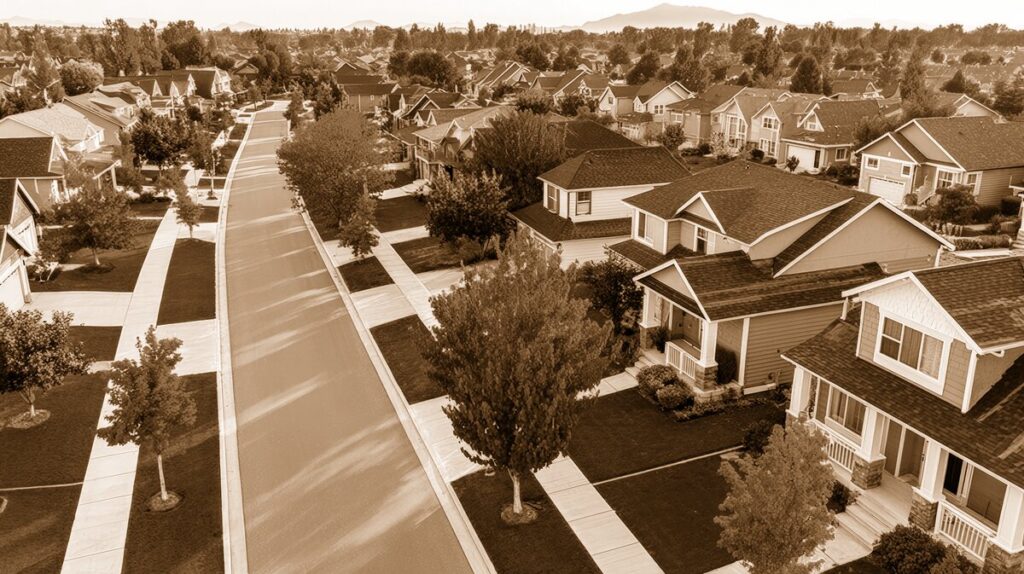
Grafton Hill, nestled just northwest of downtown Dayton, is a neighborhood where echoing footsteps on brick-paved sidewalks remind us of Dayton’s proud past. Steeped in architectural charm and storied history, Grafton Hill has weathered the test of time, preserving its heritage while embracing change. For newcomers and longtime residents alike, it’s a place where every corner has a story, and every street feels like home.
The Origins of Grafton Hill
Grafton Hill’s history dates back to the late 19th century. As Dayton experienced rapid growth during the post-Civil War industrial boom, new neighborhoods sprouted around the city’s center. The area now known as Grafton Hill was initially rural, dotted with farmhouses and sprawling open land.
The neighborhood’s name derives from Grafton Avenue, which cuts through its heart. While there’s no definitive record of the exact inspiration behind “Grafton,” local tradition holds that it may pay homage to the English town of Grafton or perhaps a prominent family, reflecting the practice of giving new neighborhoods elegant names that would appeal to Dayton’s aspiring middle and upper classes at the time.
Key Historical Milestones
- Construction Boom (1890s–1920s): Grafton Hill’s grandest period of residential development occurred between 1890 and 1920. Craftsman, Colonial Revival, Tudor, and Queen Anne homes began lining boulevards like Lexington Avenue and Central Avenue. Many of these stately residences still stand, featuring generous porches, ornate woodwork, and manicured gardens.
- The Great Flood of 1913: The infamous 1913 flood devastated much of Dayton, but Grafton Hill’s elevation helped spare many homes severe damage. It became a place of refuge during this period of hardship and recovery.
- Historic Designation: Recognizing its architectural treasures and community spirit, Grafton Hill achieved historic district status, protecting its character and ensuring that new development would honor its roots.
Notable Landmarks and Institutions
What sets Grafton Hill apart is its rich tapestry of landmarks and institutions, some of which have become central to the fabric of Dayton life.
- Dayton Art Institute: Perched majestically on the neighborhood’s southern edge along Riverview Avenue, this Italian Renaissance-style building opened in 1930. It houses one of Ohio’s most beloved art collections and serves as a gathering place for residents and art lovers.
- Masonic Temple: Overlooking downtown from the corner of Riverview Avenue and Monument Avenue, the Dayton Masonic Center is a monumental Beaux Arts structure whose columns and grand staircase are as iconic as the city skyline. It has hosted everything from galas to community meetings.
- Grafton Hill Neighborhood Association: Founded in the 1970s, the association champions historic preservation, organizes block parties, and fosters a strong sense of community pride.
Outdoor spaces, like the gentle inclines of McKinley Park on Laura Avenue, offer quiet retreats beneath century-old oaks and maples where neighbors gather every autumn to watch the leaves turn gold and crimson.
From Mansions to Modern Living: Grafton Hill’s Evolution
Though Grafton Hill was once strictly the domain of Dayton’s wealthy industrialists and professionals, it has evolved into a wonderfully diverse community.
- Early Residents: Early inhabitants included inventors, business owners, and city leaders whose contributions shaped Dayton’s future. Grand homes on Grafton and Grand Avenues were filled with the laughter of large families and the bustle of social events.
- Mid-Century Changes: After World War II, suburbanization led some families to move outside the city, but many homes were lovingly maintained or converted into apartments, opening the neighborhood up to new residents.
- Renewed Pride: In the past few decades, Grafton Hill has experienced a renaissance. Restoration efforts, supported by grants and passionate homeowners, have brought new life to old houses. Today you’ll find a mix of longtime residents, young families, and professionals drawn to the neighborhood for its beauty, stability, and walkability.
Streets with Stories
- Lexington Avenue: Known for its stunning row of early 20th-century houses, Lexington Avenue remains a favorite route for weekend strolls and neighborhood tours.
- Central Avenue: Home to some of Grafton Hill’s earliest surviving homes, Central Avenue has witnessed over a hundred years of changing fashions but maintains its dignified character.
- Riverview Avenue: With sweeping views of the Great Miami River and downtown Dayton, this avenue serves as a reminder of how geography—the “hill” in Grafton Hill—has shaped the neighborhood’s resilience and desirability.
What Makes Grafton Hill Special Today
Ask any resident what they love about Grafton Hill, and you’ll hear about:
- Architectural Beauty: Walking past lovingly restored facades, everyone feels part of a living legacy.
- Community Spirit: Porch parties, garden tours, and clean-up days foster a sense of camaraderie rare in modern cities.
- Cultural Connection: The Dayton Art Institute’s festivals, classes, and free family events enrich neighborhood life.
- Proximity to Downtown: You’re just minutes away from Dayton’s innovation hub, theater district, and RiverScape MetroPark, but the pace in Grafton Hill is refreshingly relaxed.
Looking to the Future
As Dayton reinvents itself in the 21st century, Grafton Hill remains a bridge between yesterday and tomorrow. While historic homes continue to be cared for and cherished, new families add their own stories—ensuring the neighborhood is as vibrant and welcoming as ever.
Visiting or living in Grafton Hill isn’t just about admiring the past; it’s about joining a tradition of neighborliness, stewardship, and pride. Whether you’re wandering under the shade of hundred-year-old trees or applauding the latest exhibit at the Dayton Art Institute, you’ll feel the heartbeat of a community that truly endures.